Metrics
Customer Effort Score (CES)
Also called: CES, effort score
Customer Effort Score (CES) measures how easy it was for a customer to get something done - resolve an issue, return a product, check in or find what they needed.
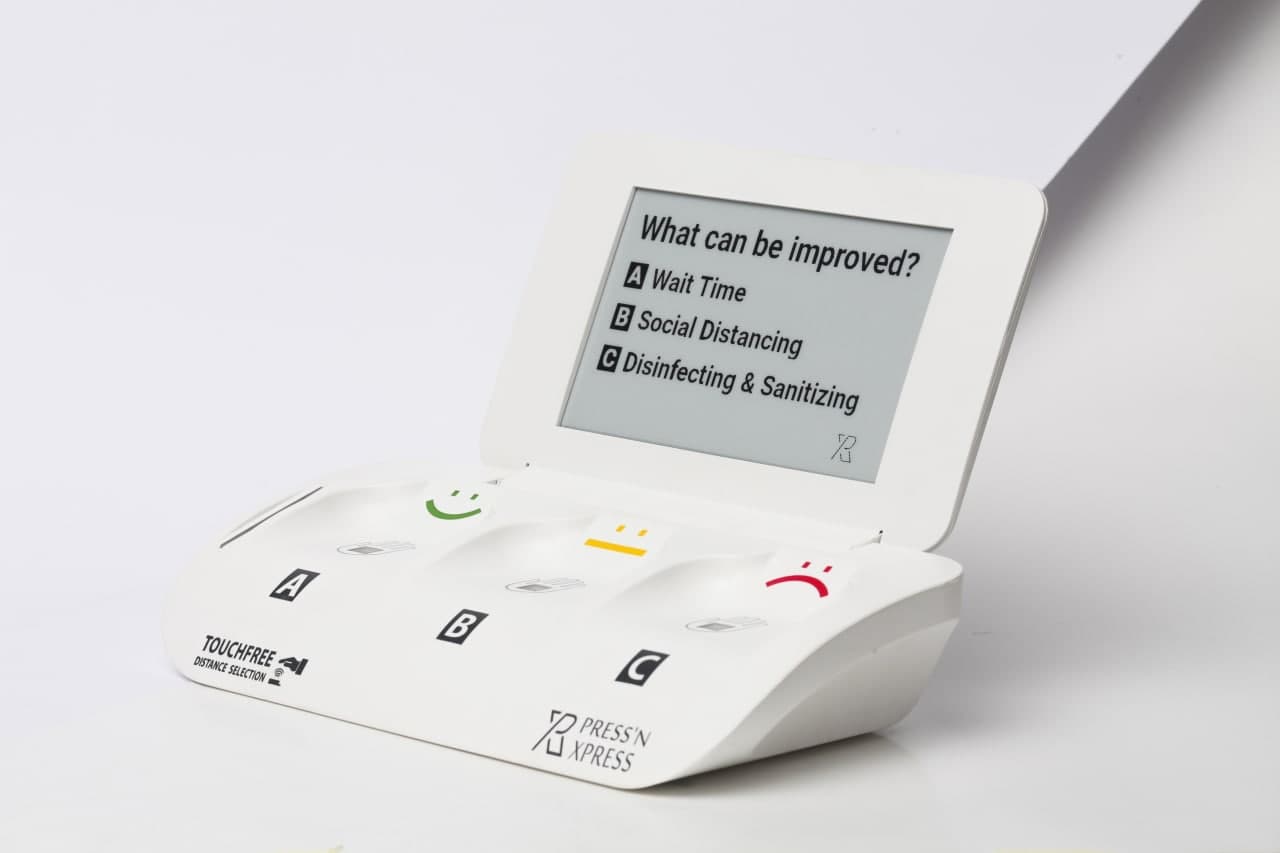
How CES is asked
CES is a single question right after a task, for example:
- "How easy was it to get your issue resolved today?"
- "How easy was it to check in?"
Answers usually run from very difficult to very easy on a 5- or 7-point scale. CES is reported as the average score, or as the share of easy answers.
Where CES is most useful
- Contact centers - after a call or chat, alongside first-contact resolution.
- Self-service and digital journeys - checkout, account changes, booking.
- Physical processes - check-in, wayfinding, returns, waiting in line.
How to reduce customer effort
- Find the high-effort steps by asking CES at each step, not only at the end.
- Ask why after a difficult score, so you know whether it was the wait, the process or the information.
- Fix the step, not the symptom - root cause analysis across many responses shows what keeps coming back.
- Recover fast when effort was high - see service recovery.
CES with Press'nXPress
Press'nXPress can ask effort questions after calls through post-call surveys, on the web and by SMS, and on-site with tablets and terminals, with every answer shown by location and touchpoint.
Frequently Asked Questions
How do you measure Customer Effort Score?
Ask a single question right after an interaction, such as "How easy was it to get your issue resolved?" on a scale from very difficult to very easy. CES is usually the average score or the share of easy answers.
When should I use CES instead of CSAT?
Use CES after tasks where effort is the main risk - resolving a problem, returning an item, finding your way, checking in. Use CSAT for overall satisfaction with a visit or a service.
Why does customer effort matter?
Customers who have to work hard to get something done are more likely to leave and to complain publicly. Reducing effort removes friction that satisfaction scores can hide.
Put it into practice
See how Press'nXPress collects feedback where experiences happen and turns it into action at every location.
Book a DemoBrowse the glossary